Korea is a country with a rich cultural heritage and deep-rooted traditions. For foreigners visiting or living in Korea, understanding Korean etiquette can be both fascinating and challenging. Many customs have hidden meanings that reflect the values of respect, hierarchy, and social harmony. If you want to navigate Korean society smoothly and make a good impression, here are some key aspects of Korean etiquette you should know.
1. The Importance of Bowing
Bowing is an essential part of Korean culture and serves as a sign of respect. The depth of the bow depends on the situation and the person you are greeting. A small nod of the head is common among friends or colleagues, while a deeper bow is used for elders, superiors, or formal occasions.
Bowing is not just about politeness—it reflects Confucian values that emphasize respect for age and status. If you are unsure, a slight bow while making eye contact is usually a safe option.
2. The Two-Handed Gesture
When giving or receiving something in Korea, such as a gift, money, or even a business card, it is customary to use both hands. This small yet significant gesture conveys politeness and appreciation. If using both hands is not possible, supporting your right arm with your left hand while handing something over is also acceptable.
Similarly, when pouring a drink for someone, especially a senior or an elder, you should hold the bottle with both hands. When receiving a drink, it is respectful to turn slightly away from the person who poured it before taking a sip. These details show your understanding of Korean social norms and help you build good relationships.
3. Respect for Age and Hierarchy
Age plays a crucial role in Korean society. From the moment you meet someone, it is common to ask about their age to determine how to address them. This is because the Korean language and social interactions are deeply influenced by hierarchical relationships.
For instance, younger individuals use honorific language (존댓말, jondaetmal) when speaking to elders or those in higher positions. In contrast, close friends of the same age can speak casually (반말, banmal). Using the wrong level of speech can be seen as disrespectful, so it is always safer to start with honorifics until invited to speak casually.
4. Table Manners and Dining Etiquette
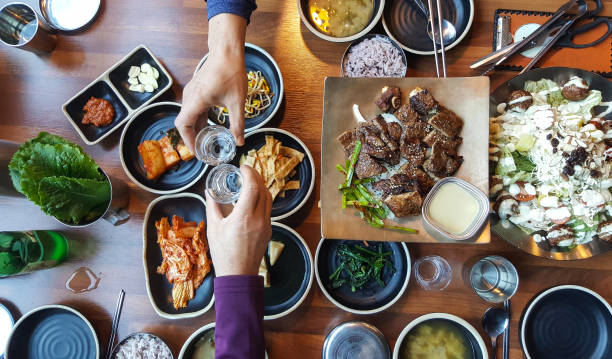
Korean dining etiquette is unique and reflects the importance of hierarchy and communal respect. Here are some key points to remember:
- Wait for the eldest person at the table to start eating before you begin.
- Do not lift your bowl while eating, unlike in some other Asian cultures like China or Japan.
- Avoid sticking chopsticks vertically into a bowl of rice, as this resembles a funeral ritual.
- When drinking alcohol with elders, turn your head slightly away while taking a sip.
- Always offer to pour drinks for others before filling your own glass.
These small but meaningful actions show respect and consideration for those around you.
5. Gift-Giving Customs
Gift-giving is a common practice in Korea and is often used to express gratitude, strengthen relationships, or celebrate special occasions. However, there are certain unspoken rules you should be aware of:
- Always use both hands when giving and receiving gifts.
- Avoid giving sharp objects like knives or scissors, as they symbolize cutting ties.
- Do not give shoes as a gift to your romantic partner, as it is believed they might “run away” from you.
- When visiting someone’s home, it is customary to bring a small gift, such as fruit, snacks, or a bottle of wine.
6. Personal Space and Physical Contact
In Western cultures, a handshake is a common greeting, but in Korea, handshakes are usually reserved for formal situations. Instead, a bow is often preferred. When shaking hands, it is polite to use both hands or support your right arm with your left.
Physical affection, such as hugging or touching, is less common in Korean culture, especially in formal settings. However, close friends of the same gender may hold hands or link arms, which is considered normal and friendly rather than romantic.
7. Public Behavior and Modesty
Koreans value modesty and proper behavior in public. Speaking too loudly in public places, making excessive gestures, or displaying too much physical affection can be seen as inappropriate. Additionally, maintaining a humble and reserved attitude is often appreciated in social interactions.
Another important aspect of public etiquette is handling conflicts discreetly. Raising your voice or confronting someone aggressively is frowned upon, as it disrupts social harmony. Instead, indirect communication and subtle expressions are often used to resolve misunderstandings.
Final Thoughts
Korean etiquette is deeply rooted in history and traditions that emphasize respect, harmony, and social order. While no one expects foreigners to be perfect, making an effort to understand and follow these customs can help you integrate smoothly into Korean society and build positive relationships.
By practicing simple gestures such as bowing, using both hands when giving and receiving, and showing respect for age and hierarchy, you will not only avoid awkward situations but also gain a deeper appreciation for Korea’s unique culture. Whether you are visiting for a short trip or planning to stay long-term, embracing these customs will make your experience in Korea much more enjoyable and rewarding.